Healthy aging is a goal for many, and maintaining a diet rich in essential vitamins is a cornerstone in achieving this aim. As we age, our nutritional needs change, making it essential to focus on specific vitamins that can help maintain health, vitality, and prevent age-related diseases.
### Vitamin D
Often dubbed the “sunshine vitamin,” Vitamin D is crucial for bone health, immune function, and inflammation reduction. As the body’s ability to synthesize Vitamin D decreases with age, older adults are at increased risk of Vitamin D deficiency, which can lead to bone disorders such as osteoporosis. Vitamin D also plays a role in protecting against chronic diseases such as type 2 diabetes and certain types of cancer. Foods rich in Vitamin D include salmon, sardines, egg yolk, and fortified foods such as milk and cereal. However, supplements might be necessary to achieve adequate levels, especially in those with limited sun exposure.
### Vitamin B12
Vitamin B12 is vital for maintaining healthy nerve cells and producing DNA and RNA. It’s also essential for the metabolism of fats and proteins. With age, the stomach produces less acid, and since acid is required to release Vitamin B12 from the food we eat, older adults are more prone to deficiency. Deficiency can lead to complications like anemia, memory loss, and cognitive decline. Rich dietary sources include fish, meat, poultry, eggs, milk, and milk products. For vegetarians or those unable to absorb sufficient B12 from food, supplements or fortified foods are recommended.
### Vitamin C
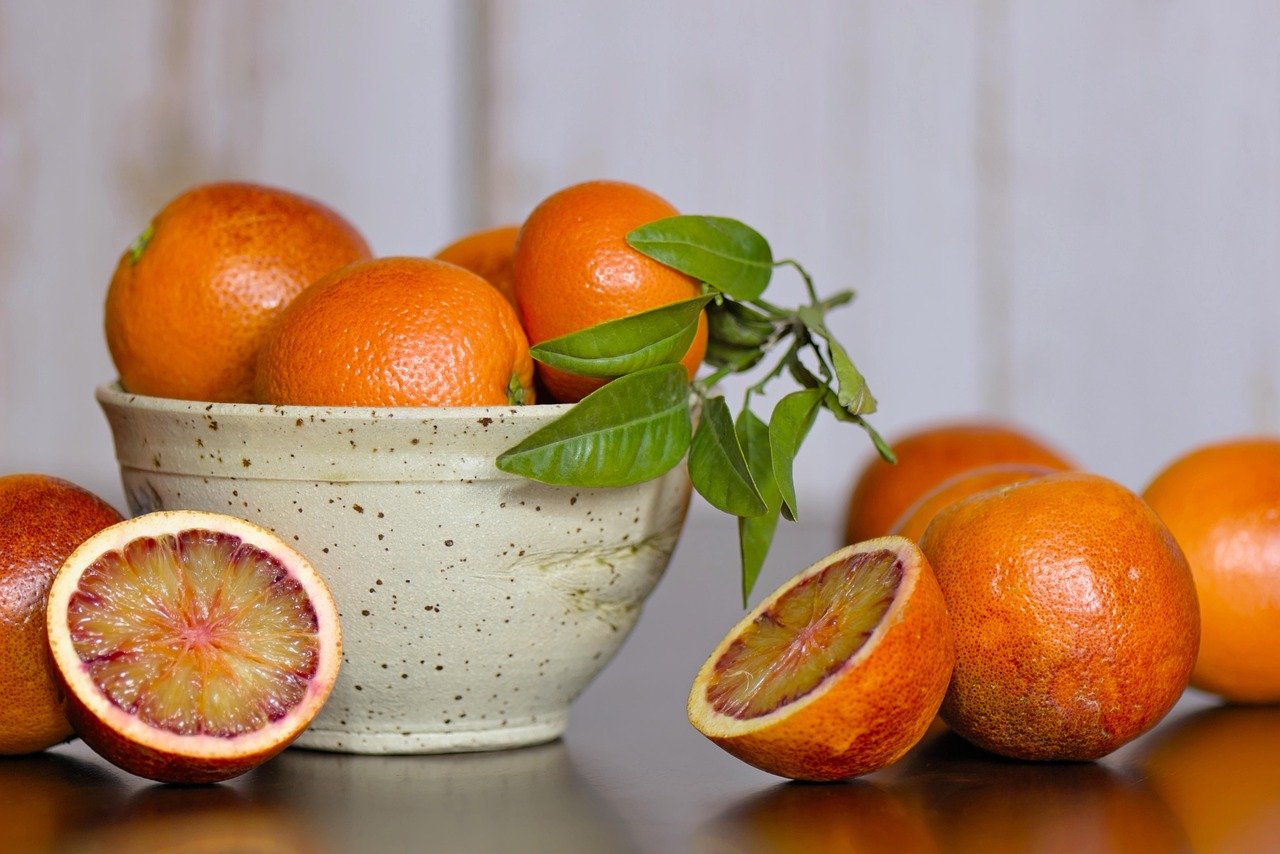
Famous for its immune-boosting effects, Vitamin C also acts as a powerful antioxidant, helping to protect cells from damage. It aids in the repair of bodily tissues, promotes wound healing, and supports the maintenance of healthy skin, teeth, and bones. Aging skin, in particular, can benefit from Vitamin C’s role in collagen production, which can reduce wrinkles and improve skin texture. Citrus fruits, strawberries, bell peppers, and broccoli are excellent sources of Vitamin C.
### Vitamin E
Vitamin E is another key antioxidant that helps to combat the oxidative stress associated with aging. It supports immune function and prevents inflammation, cardiovascular disease, and eye disorders, all of which are more prevalent in older adults. Vitamin E can be found in nuts, seeds, spinach, and broccoli. However, it is important to consult with a healthcare provider before starting supplements, as high doses can interfere with certain medications, including blood thinners.
### Folate (Vitamin B9)
Folate—or folic acid in its synthetic form—is crucial for cell division and the synthesis of DNA. It is particularly important in aiding rapid cell division and growth, enhancing brain health, and keeping the blood cells healthy. Moreover, folate has been associated with a reduced risk of Alzheimer’s disease and cognitive decline. Sources of folate include leafy green vegetables, fruits, nuts, and beans. Supplements might be necessary for some individuals to ensure adequate intake.
### Calcium
Though not a vitamin, the importance of calcium in promoting healthy aging is undeniable, particularly in the prevention of osteoporosis. Calcium works best when taken in tandem with Vitamin D, which helps with its absorption. Dairy products, green leafy vegetables, and fortified alternative milk like almond or soy milk are good calcium sources.
### Tips for Vitamin Intake
While a balanced diet is the best way to ensure adequate intake of these vital nutrients, age-related changes in digestion and metabolism might necessitate supplements. It’s important for older adults to discuss their diet and potential need for supplements with healthcare providers. Regular check-ups can help monitor levels of critical vitamins and minerals, ensuring that dietary recommendations are personalized and effective in promoting healthy aging.
Understanding and managing dietary needs through proper intake of vitamins plays a crucial role in aging well. By focusing on these key vitamins, and possibly supplementing when necessary, seniors can enhance their quality of life and maintain their health and independence as they age.